







Posted by Pip, SHREDDY Nutritionist
on September 21, 2026


For the past few years, protein has dominated the nutrition conversation, but there's another nutrient finally getting its moment: fibre.
Unlike a lot of wellness trends, this is one worth paying attention to. UK adults are recommended to eat around 30g of fibre every day, yet only 4% of us are actually meeting that daily target. So what exactly is fibre, why do our bodies need it, and how can you get more of it without completely changing your diet?
What is fibre?
Fibre is a type of carbohydrate found mainly in plant foods, where it forms part of the structure that holds the plant together. Unlike most carbohydrates, though, fibre isn't completely broken down and absorbed in the small intestine. Instead, it travels into the large intestine, where different types of fibre do different jobs.
Soluble fibre helps add bulk to stools and keeps things moving through your digestive system, while insoluble fibre is fermented by your gut bacteria and essentially acts as food for your microbiome. Eating a varied range of plant foods will naturally provide you with both soluble and insoluble fibre.
Why is fibre so important?
Fibre has multiple benefits, ranging from digestive health to blood sugar balance. It supports digestive health and regular bowel movements, and feeds beneficial gut bacteria, supporting a diverse gut microbiome. It also keeps you fuller for longer by slowing digestion and adding volume to meals, and supports blood sugar regulation by slowing the absorption of carbohydrates. Certain soluble fibres, like those in oats, can help lower LDL, or "bad," cholesterol. Higher-fibre diets are also associated with a lower risk of cardiovascular disease, type 2 diabetes, and colorectal cancer.
Because fibre-rich foods also tend to contain plenty of vitamins, minerals, and plant compounds, increasing your fibre intake often improves the overall quality of your diet at the same time.
Where do you actually get fibre from?
As fibre comes from plants, there are lots of ways to get it. Fruit such as berries, apples, pears, kiwi, and bananas. Vegetables such as broccoli, carrots, peas, and sweet potato. Beans and pulses such as chickpeas and lentils. Wholegrains such as oats, wholemeal bread, brown rice, wholewheat pasta, and quinoa. Nuts and seeds such as almonds, chia seeds, flaxseed, and pumpkin seeds. And potatoes, especially when you keep the skin on.
A good rule of thumb with fruit and vegetables is that anything you can eat the skin or seeds of, like berries and apples, or anything visibly stringy or woody, like green beans, asparagus, or kale, tends to be higher in fibre. Rather than searching for one "high-fibre superfood," variety is your friend, since different plant foods contain different fibres that support different species within your gut microbiome.
How can you reach 30g of fibre a day?
30g can sound like a lot, but you don't need to completely overhaul your meals. Small additions throughout the day add up quickly. A day might look like oats with berries and chia seeds for breakfast, a wholegrain wrap with chicken, salad, and hummus for lunch, an apple with a handful of almonds as a snack, and a chilli made with beef and kidney beans, served with vegetables and brown rice, for dinner.
Other easy wins include leaving the skin on potatoes, swapping white bread for wholemeal or seeded, adding beans or lentils to mince dishes, adding seeds to yoghurt or porridge, keeping frozen fruit and vegetables on hand for easy additions, and adding a portion of fruit to your snacks.
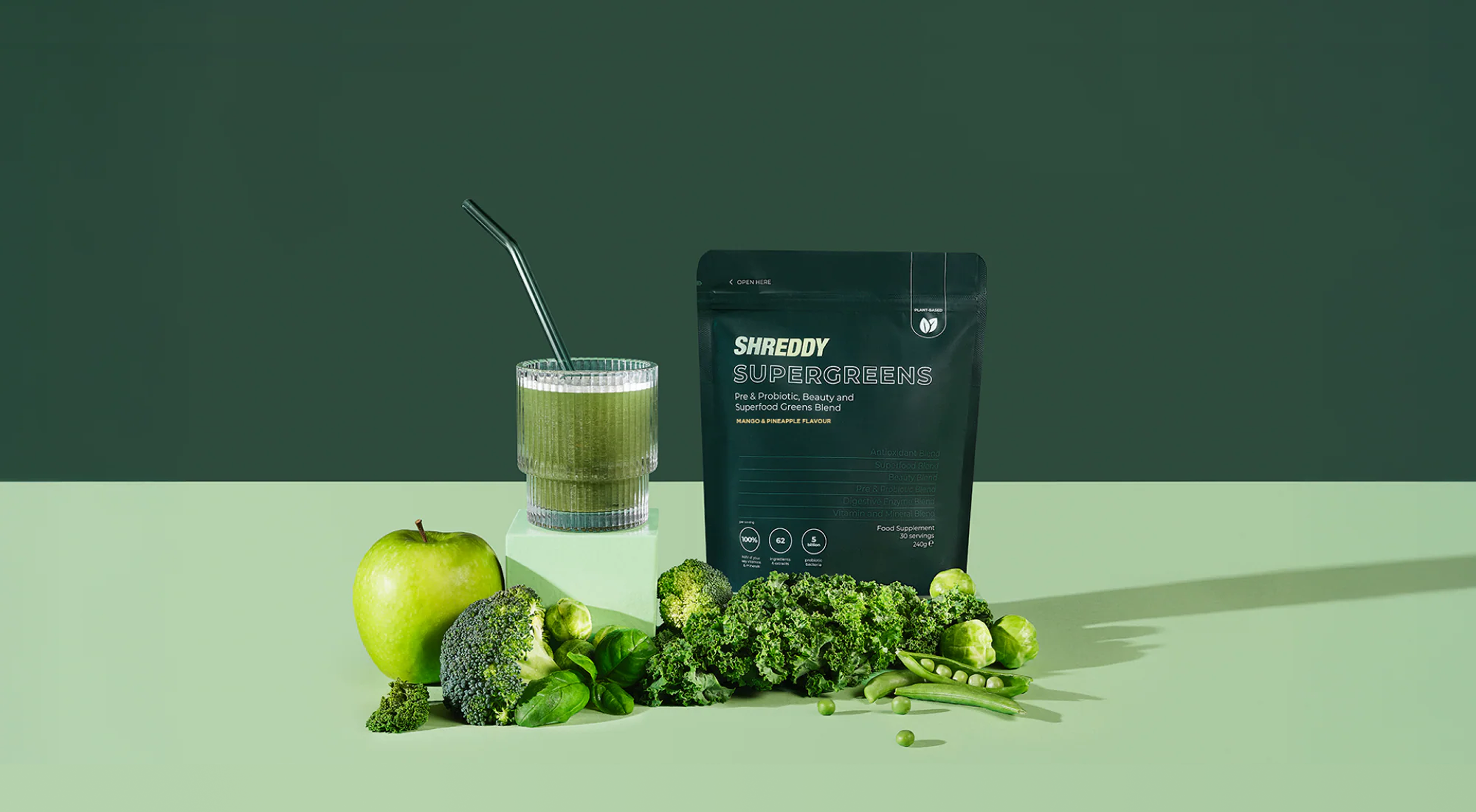
Alongside food-first changes like these, many people also add a daily greens blend such as SHREDDY SUPERGREENS to their routine. It contains prebiotic fibre blend with chicory root and psyllium husk, as well as 5 billion probiotic bacteria that work alongside a fibre-rich diet to support a healthy gut microbiome, plus over 30 ingredients to help top up your daily greens intake when meals don't quite cover it.
How fast should you increase your fibre intake?
If your current diet is fairly low in fibre, suddenly doubling your intake isn't necessarily a good idea. A rapid increase can leave you feeling bloated, gassy, and uncomfortable while your digestive system adjusts. Instead, gradually increase your intake over a few weeks, and make sure you're drinking enough fluid alongside it, since fibre also needs water to do its job properly.
Fibre doesn't need to be complicated. You don't need an enormous morning chia concoction or to track every gram you eat. Simply start by asking yourself, "where's the fibre in this meal?" and if you can add some extra fruit or seeds to your breakfast, throw beans into your dinner, or choose wholegrains more often, do so. Those small choices add up.
Want an easy way to top up your fibre alongside your meals? Shop SHREDDY SUPERGREENS.



















































































































